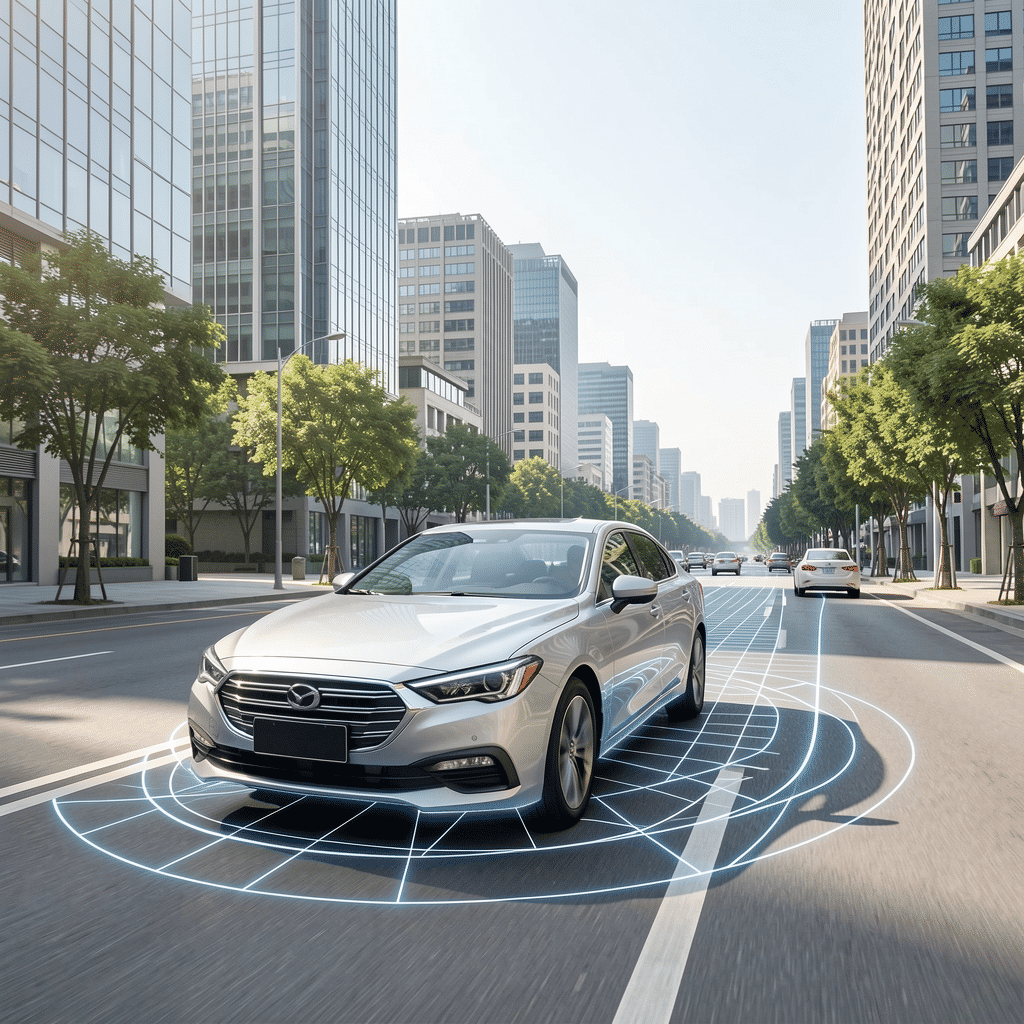
In today's rapidly evolving automotive industry, autonomous driving systems are at the forefront of innovation, promising to revolutionize the way we think about transportation. At the core of this revolution is the deployment of advanced artificial intelligence (AI) technologies that power vehicles to navigate roads with precision, safety, and convenience.
Gone are the days when driving was solely a human endeavor. With the advent of autonomous vehicles, drivers are transitioning into passengers, enjoying rides that are not only more efficient but also significantly safer. These systems integrate a suite of sophisticated sensors, including radar, cameras, and LiDAR, to create a comprehensive real-time view of the vehicle's surroundings. AI algorithms process this data, enabling vehicles to make instantaneous decisions with unparalleled accuracy.
Safety remains the paramount concern in autonomous driving technology. Traditional driving is fraught with risks due to human error, which is responsible for the majority of road accidents. Autonomous systems, on the other hand, are programmed to adhere strictly to traffic rules and are not susceptible to fatigue or distractions, common pitfalls for human drivers. From identifying pedestrians to anticipating the actions of other vehicles, these systems continuously learn and improve through integrated machine learning models.
Convenience is another transformative aspect of autonomous driving. Imagine a world where commuting time can be utilized for relaxation, work, or leisure while the vehicle handles the complexities of driving. Traffic congestion management becomes more efficient as autonomous systems communicate with each other to optimize routes and reduce bottlenecks. Parking woes are alleviated as these vehicles are capable of independently finding parking spots and navigating tight spaces.
Moreover, the environmental implications of autonomous driving are substantial. Through optimized driving patterns and the potential for electric integration, these systems may contribute to reductions in fuel consumption and emissions, paving the way for a more sustainable future.
Additionally, the widespread adoption of autonomous driving systems has the potential to transform urban landscapes. Cities could see decreased demand for large parking infrastructure, leading to more green spaces and pedestrian-friendly environments. Public transportation systems could further integrate autonomous technology to enhance their efficiency and accessibility.
The journey towards fully autonomous vehicles is not without challenges. Regulatory frameworks, technological hurdles, and public acceptance are significant factors that need to be addressed. Robust cybersecurity measures are also crucial to protect these complex systems from potential threats and ensure user safety.
In conclusion, autonomous driving systems represent a leap forward in automotive technology, blending safety with unparalleled convenience. As AI continues to advance, these systems will become increasingly capable, bringing us closer to a future where driving is not just about getting from point A to point B, but about experiencing the freedom and possibilities that autonomous travel affords. With each passing day, the vision of a connected, efficient, and safe transport system inches closer to reality, transforming not just the way we travel, but potentially reshaping the very fabric of society.