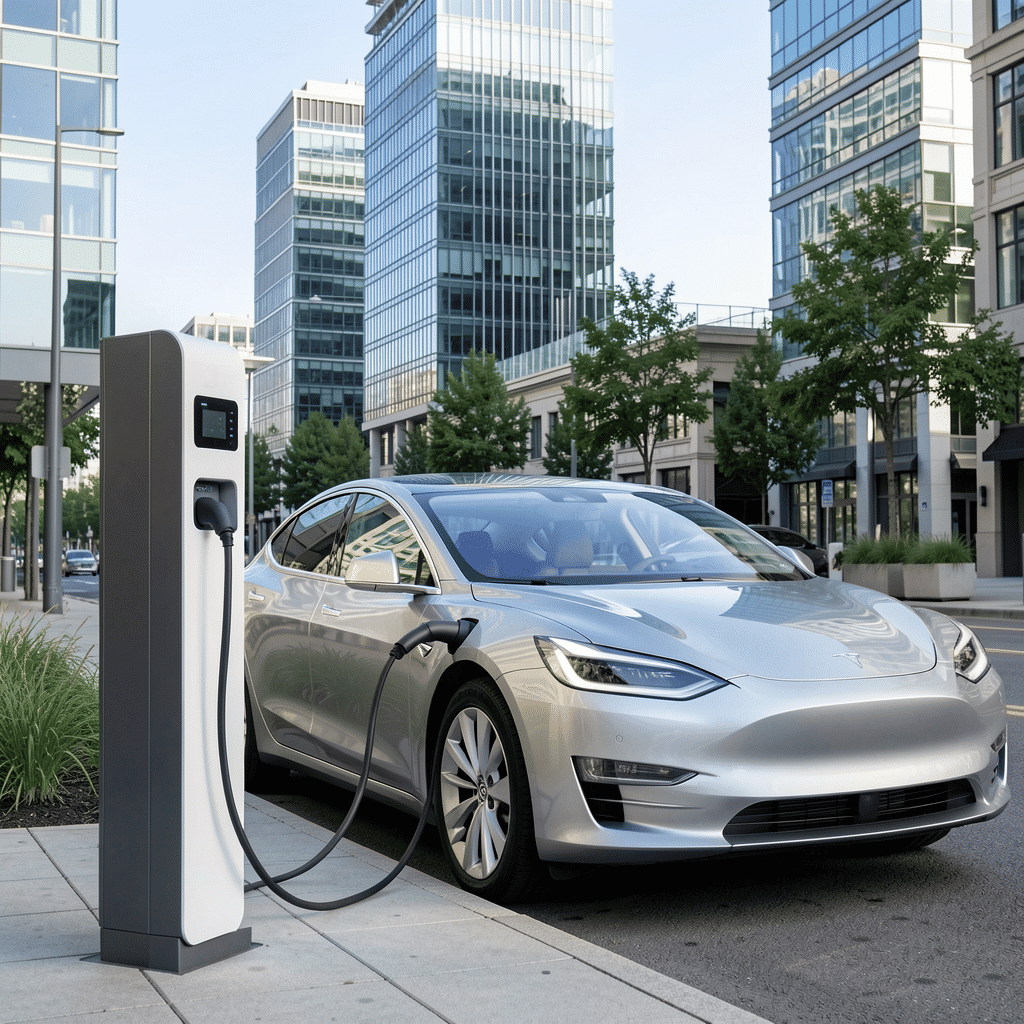
Electric driving has rapidly emerged as a cornerstone of sustainable transportation, revolutionizing the way we think about mobility in the modern world. At the heart of this transformation lies state-of-the-art battery technology, which has become integral to meeting the growing demand for eco-friendly travel solutions.
The journey of electric vehicles (EVs) started with a vision to reduce carbon emissions and dependence on fossil fuels. Today, this vision is being realized through significant advancements in battery technologies. Modern electric vehicles are equipped with cutting-edge batteries that not only enhance their driving range but also ensure safety and reliability.
One of the key advancements in battery technology is the development of lithium-ion cells. These batteries offer a high energy density, which is crucial for extending the range of electric vehicles. With the ability to store more energy in a compact form, lithium-ion batteries have allowed manufacturers to design sleeker and more efficient EVs that can travel longer distances on a single charge.
Moreover, the advent of fast-charging technology has substantially alleviated one of the major concerns for potential EV buyers: charging times. High-speed chargers, which can replenish an EV’s battery within a matter of minutes, are becoming increasingly available, providing drivers with convenience akin to traditional gasoline refueling points.
In addition to improving range and charging times, there is a strong focus on the sustainability of battery production and disposal. Researchers are exploring alternative materials that could replace or reduce the use of cobalt, a resource with contentious mining practices. Additionally, there is an emphasis on developing robust recycling processes to minimize the environmental impact as more batteries reach the end of their life cycle. Closed-loop recycling systems aim to recover and reuse materials from old batteries, contributing further to the circular economy.
Beyond the technological advancements, the integration of electric vehicles into mainstream life has a broader impact. As EVs become more prevalent, infrastructure development gains momentum, with more charging stations being installed worldwide. This infrastructure is vital for boosting consumer confidence and fostering a community of drivers committed to greener travel.
Electric driving not only promises a reduction in greenhouse gas emissions but also contributes to quieter, less congested cities, enhancing urban living conditions. Electric powertrains produce minimal noise pollution, offering a tranquil alternative to traditional combustion engines.
As we move towards a more sustainable future, the role of electric vehicles, powered by groundbreaking battery technologies, becomes ever more pivotal. The transition is supported by policies and incentives from governments worldwide, recognizing the importance of reducing carbon footprints and promoting energy independence.
The power of electric driving is about more than just the technology itself; it's about embracing a forward-thinking mindset that prioritizes environmental stewardship and innovation. As we stand on the brink of a new era in transportation, the continued evolution of battery technologies will play a critical role in powering the path toward a cleaner, more sustainable future.